
Over the last two years, Movema has been proud to be part of Trinity Community Arts ‘Cultural Alliance’ – an ambitious partnership bringing creativity into the heart of learning across three inner-city Bristol primary schools.
As the project comes to a close, we’ve been reflecting on what we’ve learnt, what we’ve witnessed, and why creativity remains one of the most powerful tools we have for helping children thrive.
The Programme
Funded by the Paul Hamlyn Foundation, the Cultural Alliance programme provided weekly dance sessions with Movema, as well as drama with ACTA, linked directly to curriculum topics and school values. Between 2024–2026, the programme worked with 483 children across four schools, many serving communities where access to arts and cultural opportunities is limited. The schools collectively represented over 30 languages, with 95% of pupils identifying as Global Majority, 25% on the SEND register, and 55% eligible for Pupil Premium support.
What Difference Did the Programme Make?
Across children, teachers and practitioners, the most consistent finding was that arts-based learning increased engagement, confidence and participation. Children described looking forward to sessions and experiencing learning in new ways:
We get to learn the same things, but in a different way.
It makes me feel like I can use my imagination more.
Teachers reported that drama and dance helped bring curriculum topics to life while creating opportunities for children to learn through movement, creativity and collaboration:
Bringing history, science and geography to life has really helped all children access the curriculum including EAL and SEND.
Creativity belongs to everyone
One of the strongest messages throughout the project has been that creativity isn’t just about making art or learning to dance. It’s about curiosity, problem-solving, confidence, communication and finding new ways to understand the world.
For many children, particularly those facing educational disadvantage, this project opened doors to ways of learning they hadn’t experienced before. We worked alongside children from resettled families, those learning English as an additional language, young carers and children experiencing economic hardship. Every child arrived with different strengths, challenges and experiences, and our role was never to expect them to fit one way of learning. Instead, we adapted our practice so every child could find their own way to participate.
Sometimes that meant dancing. Sometimes it meant directing others, suggesting music, leading ideas, or helping classmates. Everyone had something valuable to contribute.
Dance changes learning
Throughout the programme we saw how movement transformed learning.
Dance became a way of exploring stories, understanding emotions, solving problems and bringing the curriculum to life. One school, Hannah More Primary, even created six dances inspired by the books they studied throughout the year. Teachers told us this had a significant impact on children’s understanding of the texts and helped them engage much more deeply with their learning.
We watched children who were initially reluctant become leaders. We saw quiet pupils find their voice through movement, and energetic children discover focus through creative challenges.
As one Year 4 pupil shared:
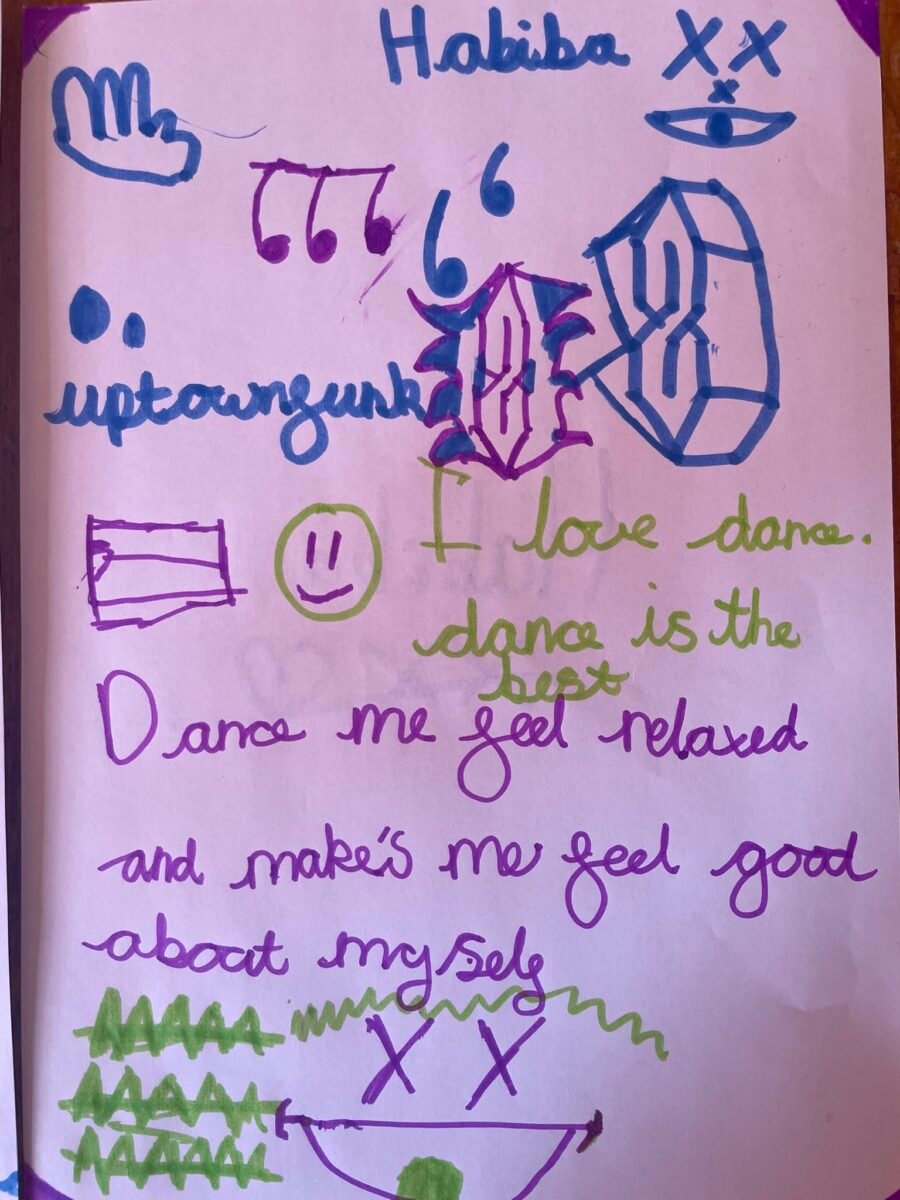
Being active helps our learning. Our dance sessions are a different way of learning and give us good energy.
Creativity didn’t distract from learning – it strengthened it.
Seeing themselves reflected
Representation has been another important part of this journey.
Many children have limited access and experience to facilitators, stories or arts that reflect the richness of the communities they live in. Through our programme we involved a team of culturally diverse artists and nurtured co-created activities, where children experienced creativity that celebrated many cultures and many ways of expressing themselves.
When children see themselves reflected in the people leading their learning, they feel that they belong. They understand that creativity is something they can own too.
Creativity grows teachers too
The project wasn’t just about children.
One of the most rewarding aspects has been working alongside teachers, encouraging them to embrace their own creativity and discover new approaches to teaching.
Rather than creativity sitting separately from the curriculum, it became part of everyday learning. Teachers explored movement, storytelling and collaborative activities that helped children engage with subjects in fresh and meaningful ways.
By the end of the programme, many teachers spoke about the confidence they had gained and how creative approaches had become embedded in their classrooms.
Learning together as artists
For Movema’s artists, the Cultural Alliance has also been a space for growth.
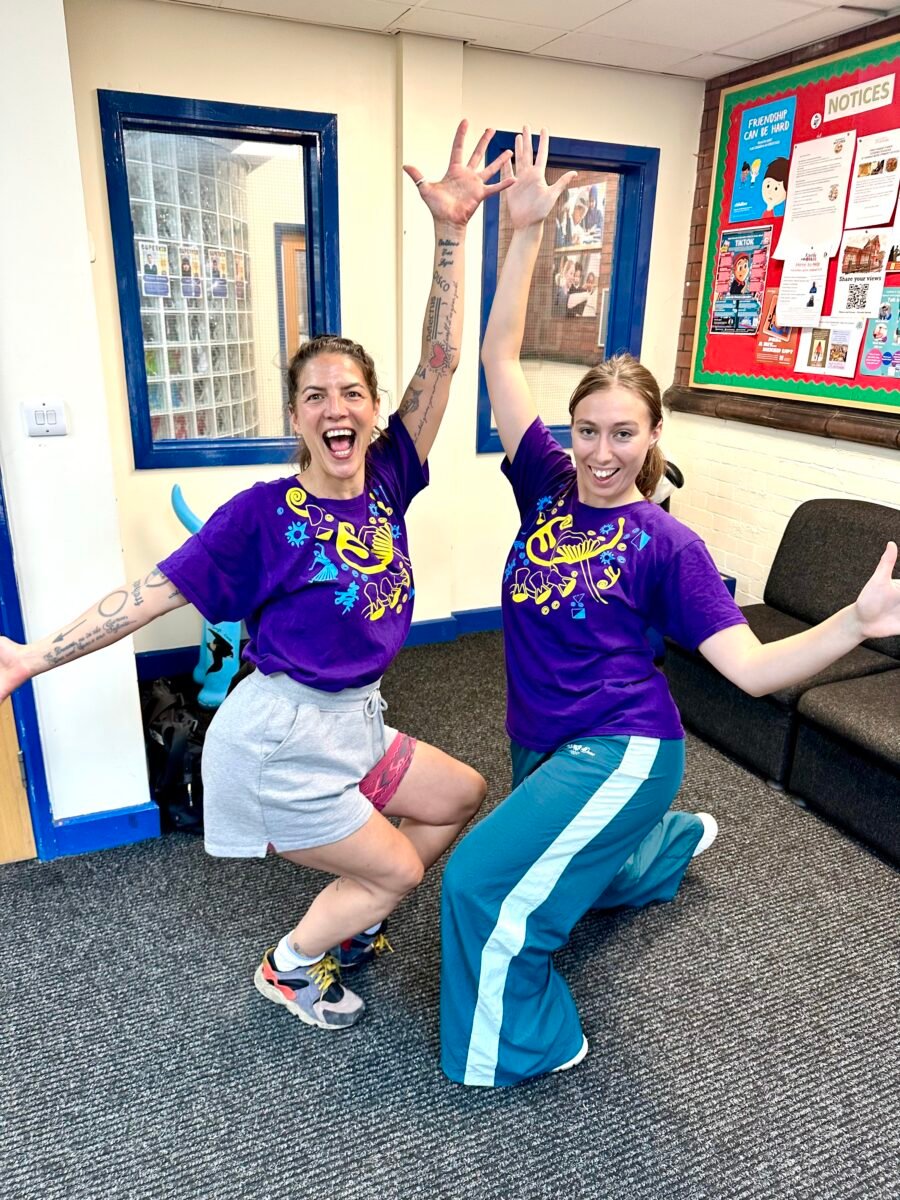
Working as a team allowed us to constantly learn from one another, sharing ideas, reflecting on sessions and developing our practice together. Every class required flexibility, creativity and responsiveness – no two sessions were ever the same.
The project continually challenged us to innovate, adapting activities to suit individual needs while maintaining high expectations for everyone.
One moment that has stayed with us involved a pupil on crutches who couldn’t join the movement in the usual way. Rather than sitting out, they became the choreographer, directing the rest of the class while their peers adapted the dance around them. It was a powerful reminder that inclusion isn’t about lowering expectations – it’s about creating meaningful opportunities for everyone to contribute.
Why creativity matters more than ever
Teachers spoke openly about the challenges children face today. Many have fewer opportunities for imaginative play, with screens often replacing creative exploration. Some children arrived lacking confidence in movement, reluctant to perform or worried about getting things wrong.
But time and again we witnessed what happened when children were given permission to explore, play and create without fear of failure.
They became more confident, more connected and more willing to take risks. They developed communication skills, empathy, resilience and teamwork alongside their academic learning.
Creativity gave them another language for understanding themselves and each other.
Looking ahead
As this chapter ends, we hope its impact continues long after the project has finished.
The Cultural Alliance has shown what is possible when artists, teachers and communities work together with children at the centre. It has reminded us that creativity is not an optional extra, it is fundamental to learning, belonging and wellbeing.
At Movema, we remain committed to creating spaces where every child feels seen, valued and inspired. Because when creativity is accessible to everyone, children don’t just become better dancers or performers.
They become more confident learners, stronger communicators, more compassionate classmates and young people who know that their ideas matter.
And that is something worth celebrating.
Thanks
With a big thanks to the Movema team: Lottie, Kenzi, Hannah, Divija, Louis, Deepraj. And to the schools Hannah More, Evergreen and Easton Primary.
With a massive thanks to our partners Trinity Arts for providing us with this incredible opportunity. And for Paul Hamlyn Foundation for supporting this project.
Report
Read the report from Trinity Arts in association with University of Bristol, celebrating the lasting impact of the Cultural Alliance project.